A smart home upgrade starts with practical choices and clear steps. This approach pairs phased changes with guidance from a home improvement center, emphasizing compatibility, reliability, and solid budgeting. Begin by simple switches and energy monitors, then vet devices for support and future upgrades. A realistic plan keeps goals achievable and expenses predictable, while easy installations fit existing walls and wiring. The method keeps options open and ready for the next practical move, just ahead of a straightforward test run.
What a Smart Home Upgrade Actually Looks Like
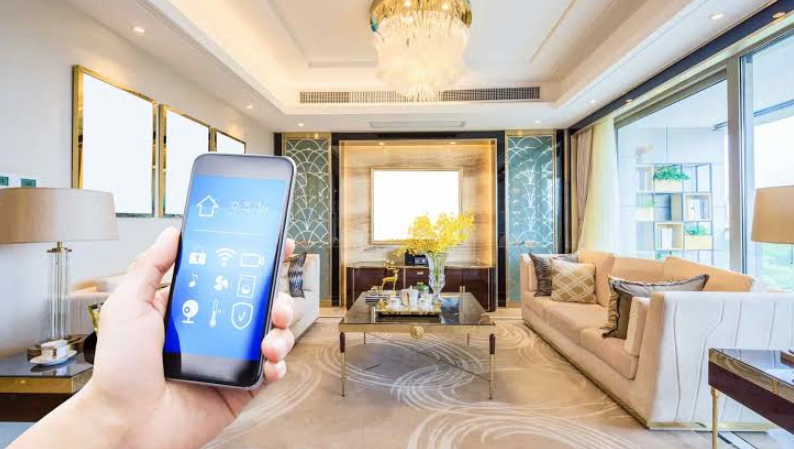
A smart home upgrade appears as a phased blend of devices, routines, and wireless control rather than a single, dramatic installation. The process centers on practical steps: selecting smart lighting, enabling energy monitoring, and ensuring smooth home integration. Voice control adds convenience, while clear workflows prevent overwhelm, empowering users to tailor automations, balance comfort, and maintain freedom through measurable, reliable enhancements.
How to Vet Devices With a Home Improvement Center
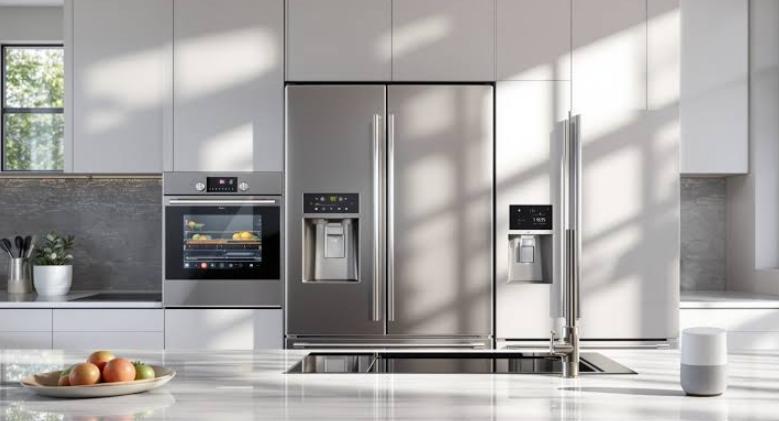
When evaluating devices at a home improvement center, the emphasis is on compatibility, reliability, and value. The process emphasizes vendor selection and warranty considerations, ensuring products integrate with existing systems and offer solid support.
A concise checklist includes compatibility verification, return policies, and documented reliability.
Compare features, read reviews, and confirm future service options to secure a confident, freedom-friendly purchase decision.
See also: How Web3 Is Creating a Decentralized Internet
Build a Budget‑Smart Plan for Your Space
Developing a budget-smart plan for a space begins with outlining realistic goals and mapping out how each smart improvement contributes to daily convenience, energy savings, and long-term value.
The approach emphasizes disciplined topic planning, prioritizing essential upgrades, and aligning costs with anticipated payback.
Readers gain actionable steps, clear criteria for purchases, and a path to freedom through thoughtful, affordable, high-impact renovations.
Easy Installation Tricks That Fit Your Existing Setup
Easy installation often hinges on compatibility with existing walls, wiring, and mounts, so practical tricks focus on minimizing disruption while maximizing reliability. Designers advise planning cable routes, using adjustable brackets, and selecting compatible accessories. Choose modular components for future upgrades, test quickly, and secure firmly. Quick installation becomes feasible when mounting hardware, faceplates, and power solutions align with current infrastructure’s layout and standards.
Frequently Asked Questions
How to Ensure Data Privacy With Smart Devices?
To ensure data privacy with smart devices, one should adjust privacy settings, enable data minimization where possible, perform careful device onboarding, and apply timely firmware updates to reduce vulnerabilities while maintaining freedom through informed control over personal information.
Which Smart Hubs Work Best for Multi-Room Setups?
Which hubs perform best for multi-room setups are assessed by their multi room compatibility, privacy concerns, idle power draw, accessibility planning, and insurance implications, guiding decisions that balance freedom with practical, approachable, and privacy-conscious home automation choices.
Can Smart Upgrades Affect Home Insurance Coverage?
Juxtaposition: upgrades may raise awareness of risk while also highlighting protection; smart upgrades can influence insurance implications and coverage limits. The approach is practical, instructional, and approachable, guiding readers toward informed choices that support personal freedom and policy clarity.
Do Smart Devices Draw Power When Idle or Offline?
Smart devices largely idle power when connected, but some drain slightly offline due to background tasks; offline behavior depends on device design. Focus on data privacy: review permissions, disable unnecessary features, and use trusted networks for safer, freer use.
How to Plan Accessibility for All Household Members?
An anecdote: a family rebuilt their kitchen around inclusive design, like a door that fits every frame. They plan universal access through adaptable switches, clear signage, reachable controls, and flexible layouts, ensuring inclusive design remains practical, durable, and liberating.
Conclusion
A practical smart-home upgrade blends clear priorities with reliable devices and simple steps. Start small, measure savings, and scale thoughtfully. By vetting products with a reputable home-improvement center, homeowners reduce risk and ensure support. A budget-driven plan keeps upgrades focused on tangible payback and daily convenience. For example, a family begins with smart lighting and energy monitoring, then adds compatible plugs and a hub, achieving noticeable energy drops within a few months and straightforward conduit for future expansions.