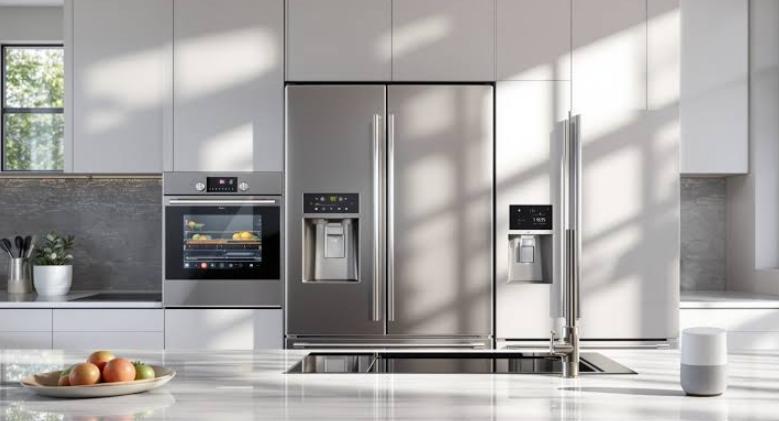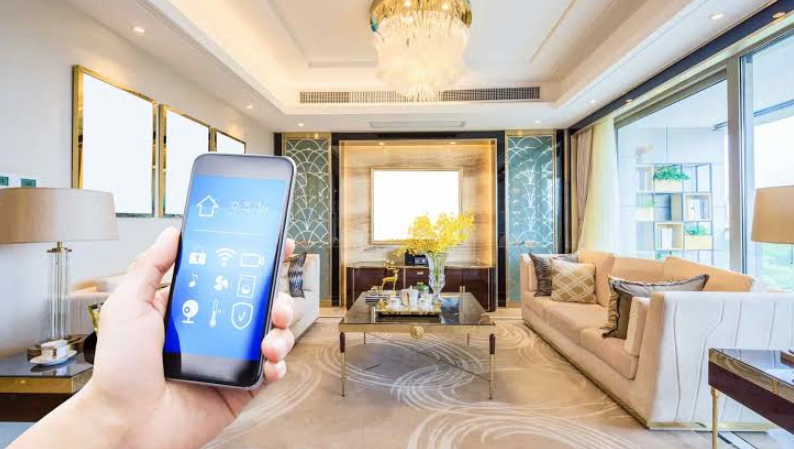
Smart design choices begin at a home improvement center, where materials, tools, and expertise intersect. The approach is pragmatic and interdisciplinary, grounding aesthetics in real-world performance. Designers test ideas, compare finishes, and visualize options against constraints. Honest guidance helps budget without compromising function. Real-life trials turn concepts into adaptable, user-centered solutions. The outcomes invite further questioning: what combination of components will balance comfort, durability, and style in the next project?
Why a Home Improvement Center Matters for Smart Design
A home improvement center matters for smart design because it aggregates a broad spectrum of materials, tools, and expertise in one place, enabling designers to test ideas, compare alternatives, and source components that fit a project’s constraints.
The environment supports material selection and hones design intuition, fostering cross-disciplinary collaboration, practical problem solving, and adaptable, user-focused outcomes that honor freedom and efficiency.
Test, Compare, and Visualize: Materials, Finishes, and Fixtures
The process of testing, comparing, and visualizing materials, finishes, and fixtures at a home improvement center enables designers to ground choices in real-world performance and user experience. It supports an interdisciplinary workflow that respects diverse needs, balances aesthetics and function, and invites experimentation.
Designers compare materials, visualize finishes, compare fixtures, test textures, and translate findings into adaptable, freedom-friendly design decisions.
See also: How Web3 Is Creating a Decentralized Internet
Honest Guidance That Helps You Budget and Build Confidence
Honest guidance, grounded in transparent costs and clear tradeoffs, helps clients budget with realism and build confidence in every decision. The approach blends budgeting confidence with design reasoning, aligning interdisciplinary insights from economics, aesthetics, and engineering. By outlining practical constraints and tradeoffs, it empowers informed choices, reduces surprises, and supports user-focused outcomes that respect personal freedom while delivering resilient, cost-conscious results.
Real-Life Experiments That Turn Ideas Into Living Rooms
Real-Life experiments in living rooms translate budgeting insights into actionable design, testing ideas in real-world spaces rather than in theory alone. This approach blends psychology, ergonomics, and aesthetics, enabling iterative, user-centered refinement.
Rooms become labs for practical testing, where experiment rooms reveal how layouts, lighting, and textures influence flow, comfort, and functionality, guiding tangible choices without rigidity or excess.
Frequently Asked Questions
How Do I Choose Durable Materials for High-Traffic Areas?
Durable materials for high-traffic durability hinge on hardwearing substrates and proven finishes; perform color testing, compare fixtures, and quick evaluation. Consider budget finishes vs premium cohesion, midstream reassessment, project pacing, home options, and interdisciplinary, user-focused decisions.
What’s the Best Way to Test Color Options at Home?
Color testing can be done by sketching palettes, applying swatches on varied surfaces, and observing under different lighting; finish sampling is essential. The detached observer notes practical steps, guiding users toward informed, freedom-focused color decisions at home.
Can I Mix Budget and Premium Finishes Cohesively?
Mixing finishes can work if Budget premium cohesion is balanced with durable materials selection and careful project plan reassessment. Use color testing at home, fixture comparison tools, and ongoing reviews to ensure cohesive, flexible design for freedom-seeking users.
How Often Should I Reassess a Project Plan Midstream?
“Like clockwork” a straightforward answer: Reassessing timelines midstream should occur at predefined milestones and after significant changes. The approach uses pragmatic, interdisciplinary thinking, focusing on reassessing timelines and midstream contingencies to preserve scope, quality, and user freedom.
What Tools Help Compare Fixtures Quickly and Accurately?
Quick look tools streamline comparisons, enabling rapid fixture assessment. Fixture spotting guides support consistency, while color testing methods verify harmony. The approach remains pragmatic and interdisciplinary, empowering users who value freedom to make informed, efficient, and confident selections.
Conclusion
In a world where design ideas often collide with constraints, the home improvement center appears by coincidence as the natural crossroads. A painter meets a plumber, a designer greets a carpenter, and a budget planner finds a material that fits both vision and cost. This unlikely overlap yields practical, user-focused solutions. Tested, compared, and visualized, choices become living-room realities—balanced, adaptable, and ready to perform. Smart design, happily sparked by a shared, well-stocked hub.