Imagine you just bought a brand new bookshelf. You open the box and find a massive bag of screws. Your excitement quickly turns into worry. You know your hands are going to be incredibly sore by the end of the day.
This is a situation that almost every homeowner faces. When it is time to build or fix things, we need the right tools. The humble screwdriver is one of the most important tools in any home. It is the key to putting furniture together, fixing toys, and mounting shelves.
But today, you have to make a choice. Should you stick with a classic hand tool? Or should you upgrade to a modern power tool? The debate between electric and manual screwdrivers is very common. Both options have their own advantages and disadvantages. Let us look at both sides to find out which tool is truly best for your needs.
The Trusty Reliability of the Manual Screwdriver
The manual screwdriver has been around for hundreds of years. There is a very good reason why this classic tool has not disappeared. It is incredibly simple and highly reliable.
One of the biggest benefits of a hand tool is tactile feedback. This means you can feel exactly how tight the screw is as you turn it. This feeling is very important when working with soft materials like wood or plastic. It helps you avoid over-tightening the screw. Over-tightening can strip the threads or crack your material.
Manual tools are also always ready to go. You do not have to worry about charging a battery. They will never run out of power in the middle of a big job. They are also completely waterproof, lightweight, and very cheap.
If you want to keep a versatile set in your home, you can look for a high-quality Schraubendreher Kollektion. Having a variety of manual drivers in different sizes ensures you can handle quick repairs instantly. They are great for small tasks like tightening a loose door handle or opening a battery compartment.
See also: Can One Month of Yoga Teacher Training Change Your Daily Habits Forever?
The Modern Speed of Electric Screwdrivers
On the other side of the debate, we have the electric screwdriver. This tool has become extremely popular over the last few years. It is designed to save you time and energy.
The main benefit of an electric tool is speed. A task that takes several minutes with a hand tool takes only seconds with an electric one. This is a lifesaver if you have to install dozens of screws in a single afternoon.
Electric screwdrivers are also much better for your body. Turning a manual driver over and over can cause pain in your wrists and hands. This is especially true for older adults or people with joint pain. An electric model does all the physical work for you. You only have to press a button and let the motor spin.
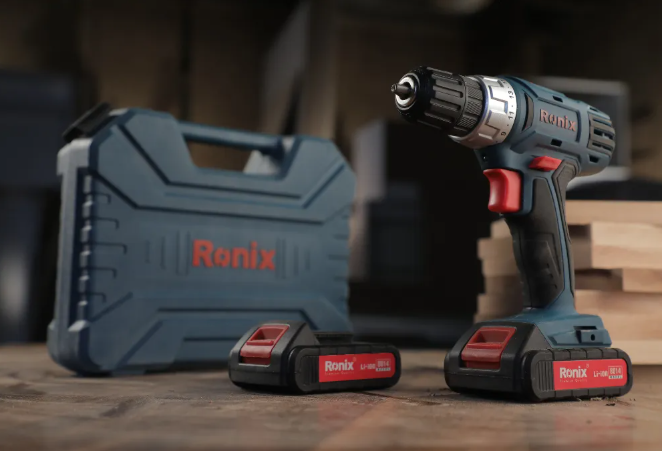
Many people prefer to invest in modern elektrische Werkzeuge to make their home projects more enjoyable. These devices are equipped with strong lithium-ion batteries. They can hold their charge for a long time and provide impressive spinning power. Many models also feature built-in LED lights to illuminate dark corners.
Key Differences You Need to Know
To make the right choice, you must compare how these tools perform in real-world scenarios. Here are the most important differences to keep in mind:
- Torque and Control: Manual tools give you total control over torque. Electric tools are much stronger, but they can easily strip screws if you are not careful.
- Speed of Work: Electric screwdrivers win this category easily. They can spin up to ten times faster than your hand can.
- Portability and Weight: Manual drivers are light and can fit in your pocket. Electric tools are heavier because of the motor and battery inside.
- Access to Tight Spaces: Manual screwdrivers often have very thin shafts. This allows them to fit into deep, narrow holes where bulky electric tools cannot reach.
- Cost: A good hand screwdriver costs very little. An electric model is a bigger financial investment, but it saves you valuable time.
How to Choose the Perfect Tool for Your Project
The best tool for you depends heavily on the projects you plan to do. You do not always need the most expensive option on the shelf.
If you only do quick fixes once a month, a manual screwdriver is probably all you need. It is simple, cheap, and always ready to work. It is perfect for hanging a picture frame or tightening a loose pot lid on your stove.
However, if you love DIY projects, an electric screwdriver is a must-have. It will save you from exhaustion when building flat-pack furniture or installing drywall. It is also the ideal choice for people who work with electronics. Many smart electric drivers have very low torque settings designed specifically for sensitive computer parts.
In fact, many smart homeowners keep both in their toolbox. They use the electric driver for the heavy spinning, and then finish the job with a hand tool for perfect tightness. This combined method gives you the best of both worlds.
Frequently Asked Questions
Can an electric screwdriver strip screws?
Yes, it can. Because electric tools have a lot of power, they can easily strip screws if you use the wrong speed. To prevent this, always start on a low torque setting and use the correct screw bit size.
How long does an electric screwdriver battery last?
Most modern electric screwdrivers can install hundreds of screws on a single charge. If you use the tool occasionally, the battery can hold its charge for several months in your drawer.
Can I use an electric screwdriver as a manual one?
Yes, many models have a spindle lock feature. This allows you to use the tool manually when the battery is dead or when you need extra precision.
Are electric screwdrivers heavy to hold?
Most pen-style electric screwdrivers are very lightweight. They only weigh a few ounces and feel very similar to a thick marker. Larger pistol-grip models are heavier but offer much more power.
Which is better for repairing electronics?
An electric screwdriver with precise electronic torque control is usually best. It allows you to remove tiny screws quickly without damaging delicate circuit boards.
Conclusion
Both manual and electric screwdrivers have earned a permanent place in the modern toolbox. The classic manual screwdriver offers unmatched reliability, precision, and simplicity. It never needs to be charged and gives you perfect control over every turn.
Meanwhile, the electric screwdriver offers incredible speed, comfort, and efficiency. It takes the pain out of home improvement and turns big assembly jobs into quick fun.
The right choice depends on your physical needs and the types of projects you enjoy. If you want to work smart, owning both tools is the ultimate solution. You will always have the perfect helper ready for any task that comes your way.